


California CARS Act: What BMW Shoppers Should Know Before They Buy or Lease
Legal Disclaimer: This content is provided for informational purposes and should not be relied upon as legal advice. How the California CARS Act applies to a specific purchase or lease depends on the vehicle, its price, and the transaction, and official guidance may change as the law is applied. For authoritative information, refer to the California Department of Motor Vehicles or the California Attorney General, or consult a licensed attorney.

Quick Answer: The California CARS Act (Senate Bill 766) began applying to dealership sales and leases on October 1, 2026. Today, BMW shoppers should now see a total price in writing, the full cost behind any monthly finance or lease payment, and a written statement that add-ons are optional. The 3-day right to cancel applies only to qualifying used vehicles priced at $50,000 or less, so some used BMWs will not qualify.
Luxury vehicle shopping often involves more decisions than a typical purchase. You may be comparing a lease against a loan, a new model against a BMW Certified vehicle, or a fully electric model against a plug-in hybrid. Protection packages are also a common part of the conversation.
The CARS Act touches each of those decisions and options. If you’ve searched for “CARS Act BMW” information, here’s how the law affects buying and leasing decisions for shoppers in El Cajon, East County, and the greater San Diego area.
What Is the California CARS Act?
The California Combating Auto Retail Scams (CARS) Act is a state consumer protection law covering how licensed dealers advertise, price, finance, lease, and sell vehicles. Governor Gavin Newsom signed Senate Bill 766 on October 6, 2025, and the law became operative on October 1, 2026.
According to the California DMV, the law applies to retail sales and leases of light-duty vehicles under 10,000 pounds by licensed California dealers.
The California CARS Act core requirements include:
- A clearly disclosed total price in ads for specific vehicles and in the dealer’s first written communication with you.
- Written disclosure of the total cost behind any quoted monthly payment.
- A clear statement that add-ons are optional, and a ban on charging for add-ons that provide no benefit.
- A 3-day right to cancel qualifying used vehicle purchases and leases.
- Two years of dealer records showing compliance.
Does the 3-Day Return Right Apply to Used BMWs?
It depends on the price. The CARS Act gives buyers and lessees a 3-day right to cancel only for used vehicles priced at $50,000 or less. That covers many used BMW models, such as a pre-owned 3 Series, X1, or X3. A late-model X5, X7, 7 Series, or BMW M model may be priced above the limit and would not qualify.
For used vehicles that do qualify, the main rules are:
- Timing: The cancellation period starts the day after you sign and generally runs for three days. If the last day falls on a day the dealership is closed, the deadline generally moves to the next day it is open.
- How to cancel: You must personally return the vehicle to the selling dealership during business hours before the deadline, along with any required items received in the transaction.
- Mileage: The right ends once the vehicle has been driven more than 400 miles.
- Restocking fee: 1.5% of the sale price, with a $200 minimum and a $600 maximum, plus $1 per mile over 250 miles, up to $150.
- Condition and refund: The vehicle must be returned in the same condition, except for reasonable wear and tear or defects and mechanical problems not caused by the buyer. The dealer generally must issue a refund within 48 hours.
California 3-day used car return rights do not apply to new vehicles. It also does not apply to lease buyouts, which matters for BMW drivers who plan to purchase the vehicle they are currently leasing.
How Does the CARS Act Affect BMW Leases?

The California CARS Act covers leases and purchases, which matters in the luxury segment, where many drivers lease.
If a dealer quotes you a monthly lease or finance payment in writing, it must also show the total amount you would pay at that payment over the full term, including any amount due at signing or trade-in value the quote assumes. When a dealer compares payment options in writing, they must disclose that lower monthly payments often increase the total amount you pay.
The law also makes it a violation to misrepresent whether you are signing a lease or a purchase agreement, or to misrepresent the terms of either. When comparing a BMW lease with a loan, compare the total cost of each, mileage allowances, and what happens at the end of the term.
What Add-Ons Should Luxury Buyers Look For?
Luxury purchases often include offers for protection products, such as extended service contracts, paint and interior protection, tire and wheel protection, and GAP coverage. Under the CARS Act, dealers must tell you, verbally and in writing, that these products are optional and that you can buy or lease the vehicle without them.
Dealers also cannot charge for add-ons that provide no benefit. One example is a paint protection product that voids the vehicle’s factory paint warranty. Before adding a protection product, ask how it works alongside your BMW’s factory warranty and maintenance coverage.
Many of these products can still be worthwhile. For example, tire and wheel coverage may appeal to drivers with low-profile performance tires. The key is that each one is presented clearly and chosen by you.
What Should BMW EV and Plug-In Hybrid Shoppers Know?
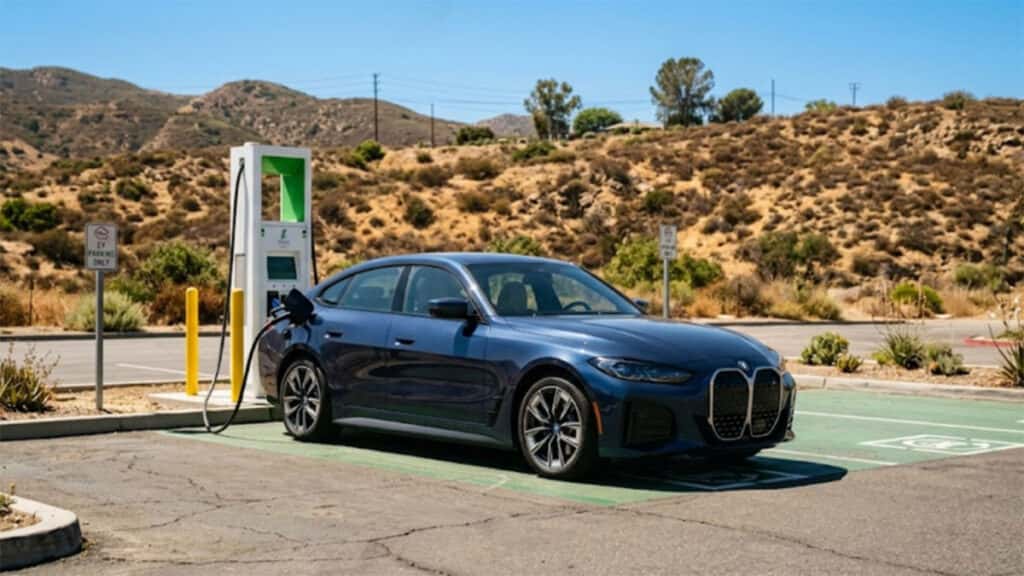
An oil change package sold for an all-electric vehicle is one of the “valueless” add-on examples named in the CARS Act. If you are shopping for an i4, i5, iX, or iX3, any maintenance products offered should match how an EV is actually serviced.
Plug-in hybrids are different. Models like the X5 xDrive50e and 550e xDrive still have gasoline engines that need oil service, so maintenance plans that include oil changes can make sense for them.
How Can BMW of El Cajon Help You Compare Your Options?
Whether you are considering a new BMW, a BMW Certified vehicle, or another pre-owned model, our team can walk you through the total price, lease and finance terms, and any optional protection products before you sign.
You can review current lease and finance offers, estimate payments with the payment calculator, or get a trade-in estimate with our Value Your Trade tool. If your current lease is ending, our lease return page explains your options.
BMW of El Cajon is located at 720 El Cajon Boulevard, with easy access from I-8 for drivers throughout East County and San Diego. Contact us with questions or visit to compare models in person.
Shopping for a BMW Under the California CARS Act
The California CARS Act gives BMW shoppers clearer information at every stage, from the first written quote to the finance office. The practical steps are simple: compare leases and loans by total cost, ask how each protection product fits with your factory coverage and, if you are buying used, check whether the vehicle’s price falls within the $50,000 limit for the 3-day return right.
For another recent California rule that affects BMW drivers, read our guide to California’s new tire laws.
FAQs About the California CARS Act for BMW Shoppers
Can I return a new BMW under the CARS Act?
No. The California CARS Act return right applies only to qualifying used vehicles priced at $50,000 or less, so a new BMW purchase or lease isn’t eligible.
Does the CARS Act apply to BMW Certified vehicles?
A BMW Certified vehicle is still a used vehicle under the law. If it is sold or leased at retail for $50,000 or less and meets the other conditions, the 3-day right to cancel would generally apply.
Does the CARS Act apply to leases?
Yes. The law covers retail leases and purchases, including the payment and add-on disclosure rules. The 3-day right to cancel applies to leases of qualifying used vehicles, but not to lease buyouts.
Does the total price include taxes and fees?
No. The total price excludes taxes and certain government fees, and the document processing charge may be listed separately. It should include dealer markups and anything already installed on the vehicle.
Can a dealer still offer protection packages?
Yes. Dealers can still offer service contracts, paint protection, tire and wheel coverage, and similar products. They must clearly state that these are optional and cannot charge for products that provide no benefit.
When did the CARS Act take effect?
If you’ve searched for “California car buying law 2026,” you may be looking for the CARS Act, which became operative on October 1, 2026, about a year after Governor Newsom signed it.
0 comment(s) so far on California CARS Act: What BMW Shoppers Should Know Before They Buy or Lease