


BMW X5 vs X5 Plug-In Hybrid: Which Costs Less to Drive in San Diego?
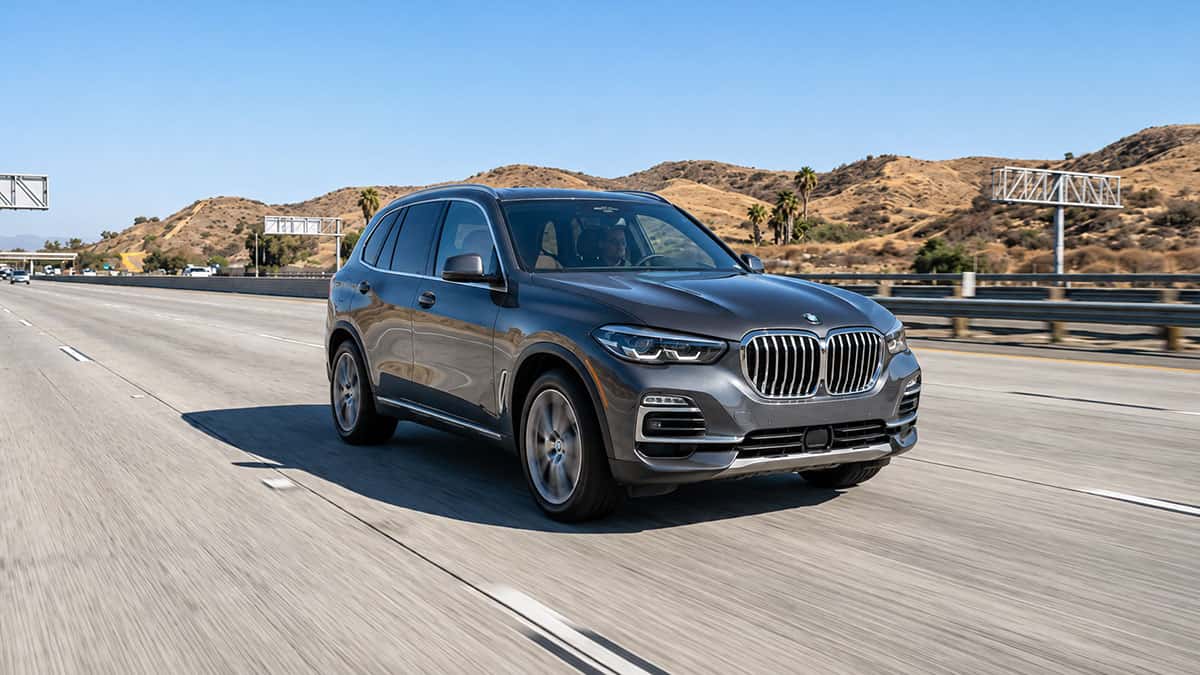 Quick Answer: The BMW X5 vs X5 Plug-In Hybrid comparison shows potential annual savings of approximately $995 for San Diego drivers who regularly charge at home. At 12,000 miles per year and $6.50 per gallon, a 2026 BMW X5 xDrive40i would cost approximately $3,120 in gasoline, compared with $2,125 in combined gasoline and electricity for the X5 xDrive50e under a favorable overnight charging scenario. For drivers commuting through El Cajon and San Diego County, actual savings depend on electricity rates, charging frequency, and how much daily driving can be done on battery power.
How Much Does a Gasoline BMW X5 Cost to Drive in San Diego?
Driving a 2026 BMW X5 xDrive40i for 12,000 miles would cost approximately $3,120 annually at an assumed premium gasoline price of $6.50 per gallon. Based on its EPA-estimated 25 MPG combined rating, the SUV would consume approximately 480 gallons of gasoline, averaging $260 per month in fuel expenses.
That works out to roughly 26 cents per mile. For someone commuting between El Cajon and downtown San Diego, annual costs will depend on commuting frequency, highway speeds, and additional weekend driving.
The $6.50 gasoline price is an illustrative assumption rather than a verified current pump price. Actual fuel consumption may also differ from EPA estimates depending on traffic conditions and driving habits.
BMW X5 vs X5 Plug-In Hybrid: How Much Could You Save?
The X5 xDrive50e could save about $995 annually when electricity replaces just over half its total mileage and charging occurs at particularly favorable rates. Under this scenario, combined electricity and gasoline expenses would reach approximately $2,125, compared with $3,120 for the gasoline X5.
The BMW X5 vs X5 Plug-In Hybrid cost estimate comparisons assume 12,000 annual miles, premium gasoline at $6.50 per gallon, and approximately 52% of mileage completed electrically. It also uses an electricity rate of about 12.3 cents per kWh, alongside the EPA’s estimated 56 kWh per 100 electric miles and 22 MPG during gasoline operation.
That electricity rate is available during designated super off-peak periods on certain SDG&E (San Diego Gas & Electric) plans, but the savings require consistent charging habits. Drivers who charge at higher rates or spend more time operating on gasoline could see a considerably smaller financial benefit.
What Does It Cost to Charge an X5 xDrive50e at Home?
Home charging expenses depend on the electricity rate applied when the vehicle charges. Based on the EPA’s estimated consumption of 56 kWh per 100 miles, driving that distance electrically would cost approximately $6.89 at 12.3 cents per kWh, compared with $29.34 at the 52.4-cent on-peak rate. That’s almost the same as the $29.55 it would cost to drive 100 miles on gasoline at 22 MPG, so charging overnight makes a big difference.
San Diego Gas & Electric’s published rates effective November 1, 2026, list a winter super off-peak price of 12.3 cents per kWh under the EV-TOU-5 plan for eligible customers purchasing electricity generation and delivery from SDG&E. The same plan lists 46.6 cents during winter off-peak hours and 52.4 cents during winter on-peak hours. These figures exclude SDG&E’s daily residential Base Services Charge.
For households using a Community Choice Aggregator, SDG&E delivery charges are billed separately from electricity generation charges. Before calculating your own savings, review the San Diego Gas & Electric residential electricity plans to understand the full rates and conditions that apply to your home.
How Often Would You Need to Charge the X5 Plug-In Hybrid?
Frequent charging is essential to getting the greatest fuel savings from the xDrive50e. The EPA lists up to 40 miles of all-electric range for the 2026 model, which may be enough to cover a shorter daily commute before the gasoline engine is needed.
Consider someone driving 25 miles round trip between El Cajon and nearby communities. Starting each day with a charged battery could allow that driver to complete most weekday trips electrically, while longer drives to La Jolla or other parts of San Diego County may require additional gasoline.
At that commuting distance, five days of electric driving would cover approximately 125 miles per week. Over a full year, those weekday trips alone could account for roughly 6,500 electric miles, close to the electric mileage assumed in our annual savings estimate. Actual results depend on driving conditions, usable electric range, and how consistently the battery is recharged.

When Might the Gasoline X5 Be the Better Financial Choice?
In the BMW X5 vs X5 Plug-In Hybrid decision, the gasoline X5 xDrive40i may be more economical for drivers without affordable charging access or those who rarely use the plug-in hybrid’s electric range. The EPA rates the xDrive40i at 25 MPG combined, compared with 22 MPG for the xDrive50e when operating on gasoline alone.
Purchase price also matters. BMW lists starting MSRPs of $70,600 for the 2026 xDrive40i and $76,000 for the xDrive50e. At that $5,400 difference, annual energy savings of $995 would take approximately five and a half years to offset the higher price, excluding other ownership expenses. For more information about model-year differences, see our 2027 BMW X5 vs. 2026 BMW X5 comparison.
Where Can You Compare BMW X5 Models Near San Diego?
BMW of El Cajon can help you compare the gasoline X5 and plug-in hybrid options based on your typical mileage, charging access, and ownership plans. Explore our new BMW inventory or learn more about the BMW plug-in hybrid lineup to understand which configurations may suit your needs.
You can also review available BMW financing options before visiting our El Cajon dealership. Our team can help you explore current availability and arrange a test drive of an available X5 to see how it fits your daily San Diego driving routine.
If you’re also considering the next generation, check our 2027 BMW X5 availability in San Diego guide for expected arrival timing and information about the upcoming plug-in hybrid.

FAQs About BMW X5 vs X5 Plug-In Hybrid
Can you drive a BMW X5 Plug-In Hybrid without plugging it in?
Yes. The xDrive50e can operate using its gasoline engine when the battery isn’t charged externally. However, regular charging is necessary to take full advantage of its electric range and potential fuel savings.
Does the BMW X5 xDrive50e require premium gasoline?
Yes. The EPA specifies premium gasoline for both the 2026 X5 xDrive50e and xDrive40i. The annual gasoline calculations in this comparison use the same assumed price of $6.50 per gallon.
Can you charge the BMW X5 Plug-In Hybrid using a regular outlet?
Yes, with compatible charging equipment and a suitable household electrical circuit. A standard 120-volt outlet charges more slowly than a 240-volt Level 2 connection, so your daily driving needs will help determine which arrangement is practical.
Does the BMW X5 Plug-In Hybrid recharge its battery while driving?
The xDrive50e can recover some energy through regenerative braking and manage battery charge through its hybrid system. However, plugging it into an external electricity source is the most practical way to replenish the battery for regular electric driving.
How much could you save over five years with an X5 Plug-In Hybrid?
At the illustrative annual savings of $995, five years of driving could reduce gasoline and electricity expenses by approximately $4,975 compared with the gasoline X5. This assumes 12,000 miles annually, consistent charging habits, and unchanged energy prices, and excludes differences in purchase price and other ownership costs.
0 comment(s) so far on BMW X5 vs X5 Plug-In Hybrid: Which Costs Less to Drive in San Diego?